
 Video games are more than just entertainment, they are cultural products shaped by social and political realities. In countries like Nepal, politics can influence everything from internet access to censorship, gaming culture, and how players engage with online communities. The effects of political decisions are often subtle but significant, shaping both casual gaming and competitive scenes. Games like Diablo II illustrate how political contexts and regulations can impact gaming communities and players’ experiences.
Political Influence on Gaming in Nepal
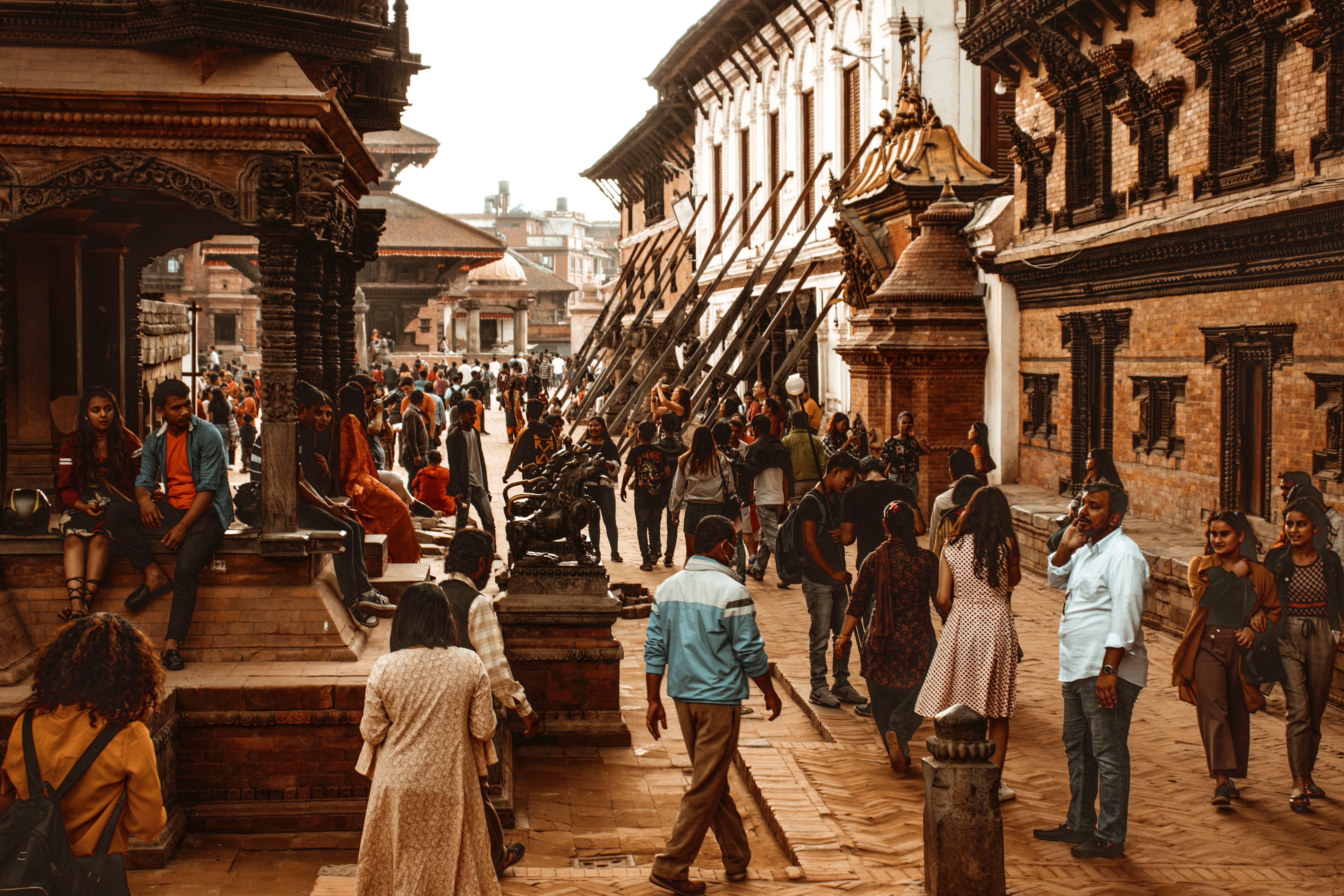
Nepal’s gaming landscape is heavily influenced by political decisions, ranging from import regulations to internet policies. Limited bandwidth, governmental restrictions, and shifting digital content regulations affect access to online games. For multiplayer games like Diablo II, these constraints influence how players connect, trade, and form communities. Political stability, or the lack thereof, also affects the growth of esports and gaming tournaments, creating uneven access to competitive play across the country. If you want a deeper understanding of Nepal’s political and social environment, things to know to prepare you for Nepal can provide valuable context.
Censorship and Content Regulation
Political and social norms in Nepal affect which games are accessible and popular. Certain themes in games; violence, supernatural elements, or foreign narratives, may be restricted or discouraged. Diablo II, with its dark fantasy themes, faced challenges in regions with strict content monitoring. Players often rely on trusted platforms for guidance and safe access to game resources, items, and strategies in a legal and safe way. You should check this out: Diablo2 items on YesGamers.
Gaming Communities as Political Microcosms
Online gaming communities often mirror real-world political dynamics. In Diablo II, player alliances, guild hierarchies, and competitive rivalries reflect negotiation, power structures, and influence, concepts central to political life. Gamers learn to navigate leadership structures, form coalitions, and negotiate trades, echoing how citizens interact within political systems. Understanding these dynamics can improve social skills, strategic thinking, and decision-making, making gaming both an entertainment and educational tool.
Political Messaging Through Games
Video games sometimes explore or critique political ideas. Even fantasy titles like Diablo II carry subtle messages about conflict, morality, and power. The ways players interact with these narratives can influence their perceptions of strategy, justice, and leadership. In politically active communities in Nepal, discussions around these themes often emerge, turning online gameplay into a platform for reflection on ethics and political strategy.
Access, Equity, and Online Gaming
Political policies directly impact equity in gaming. Infrastructure disparities, taxes on digital goods, and regional restrictions can prevent some players from accessing competitive features. Platforms like YesGamers help level the playing field by offering tools, guides, and items that give players an edge regardless of external constraints. This mirrors broader societal movements advocating for equal access to resources and opportunities.
Conclusion: Politics Shapes Play
Politics and video games are intertwined in ways that go beyond censorship or regulation. From shaping access to influencing community behavior, political forces impact how games like Diablo II are played and experienced in countries like Nepal. Resources like YesGamers provide gamers with the tools to navigate these challenges, ensuring that strategy, skill, and creativity remain central to play. Understanding the political context of gaming enriches both the player’s experience and the cultural appreciation of video games.