
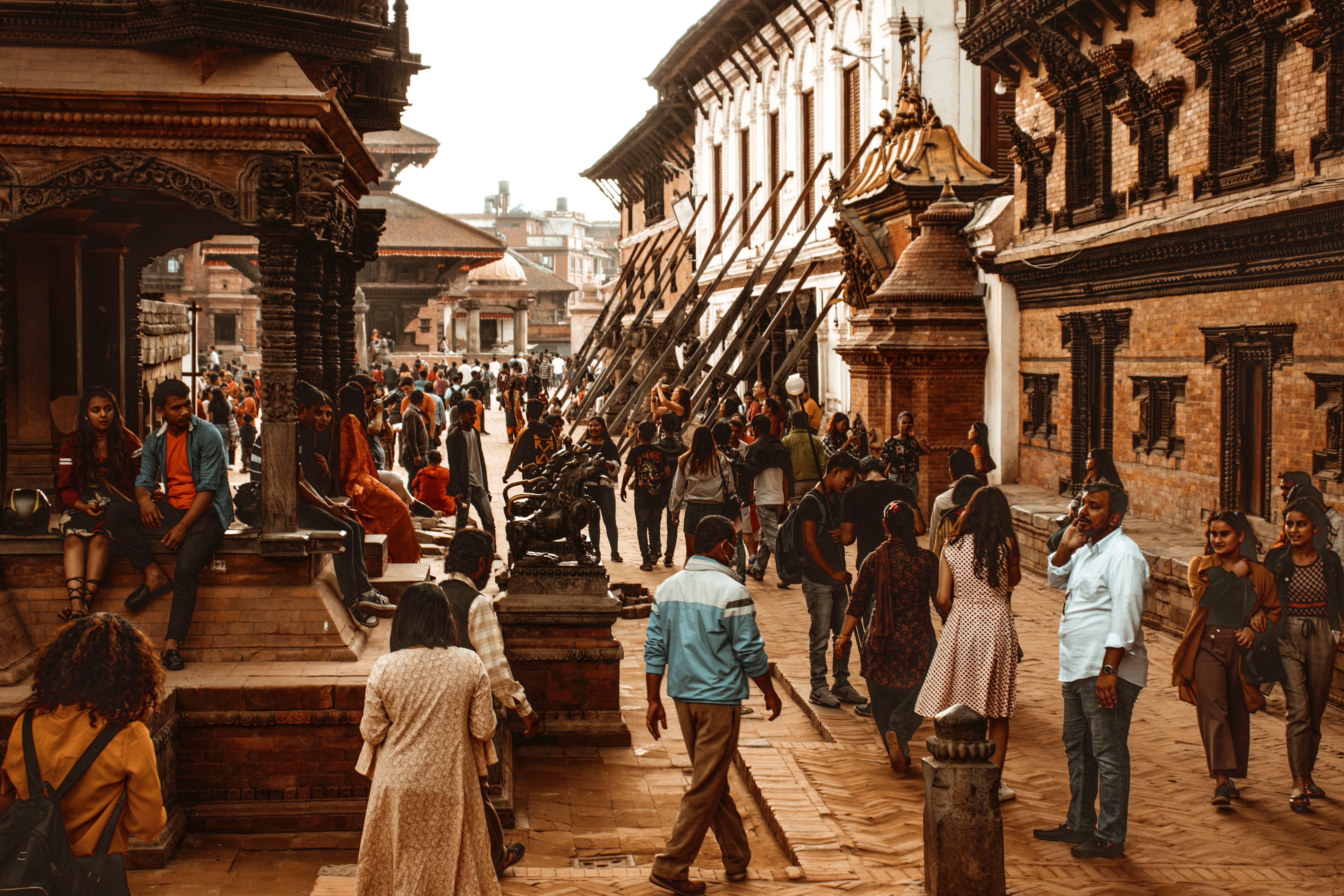
Nepal’s political history is defined by balance, between tradition and reform, internal priorities and external pressures, and centralized authority and local autonomy. Governance in Nepal has long required negotiation, regulation, and strategic alliances to preserve stability within a complex and often fragile environment. These same principles can be observed in the item economy of Diablo II: Resurrected (D2R), where trade, power, and balance directly influence how players progress and compete. In this same aspect, buying D2R items from reliable sources becomes less about convenience and more about informed participation within a structured system.
Regulation and Structured Trade Systems
In Nepal’s political framework, regulation serves as a stabilizing force. Policies governing trade, foreign relations, and economic activity exist to limit volatility and ensure that growth supports the broader population. History shows that unregulated markets and unchecked influence often lead to imbalance in governance.
A similar logic applies to the D2R economy. Items represent power, progression, and competitive standing, making trade a central pillar of gameplay.
Reputable item trading platforms function much like regulated trade channels in a political system. They introduce structure, enforce standards, and protect participants from fraud or exploitation. By operating within these boundaries, players help preserve the balance that sustains the game’s long-term integrity.
Strategic Decision-Making
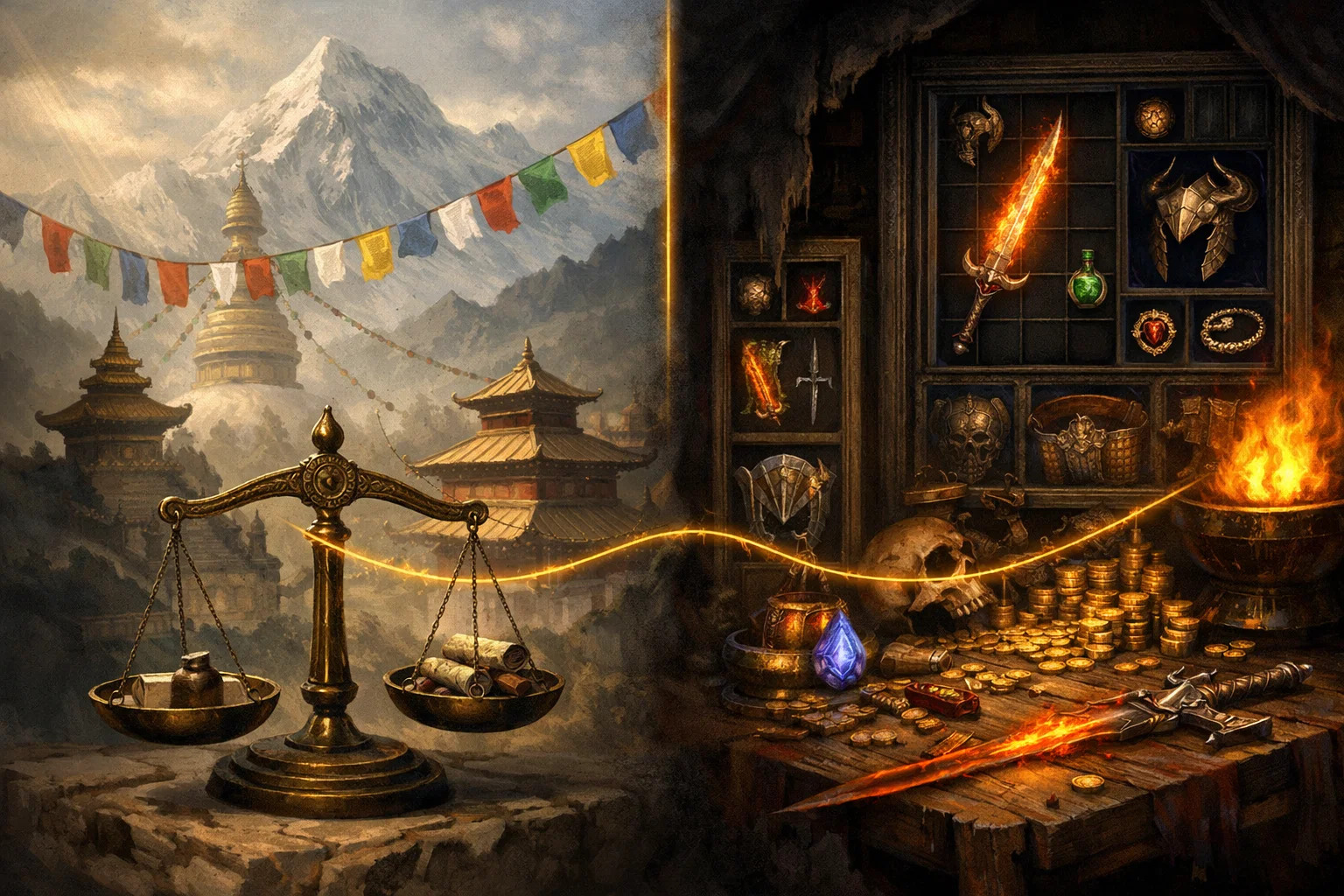
The country’s approach to governance is rooted in pragmatism. Limited resources, geopolitical realities, and internal diversity compel leaders to prioritize stability, compromise, and carefully chosen alliances over idealistic but disruptive reforms. The objective is not perfection, but sustainability.
This same mindset is evident among many Diablo II: Resurrected players. Time limitations, RNG-heavy mechanics, and steep progression curves make endless grinding impractical for a large portion of the player base.
Choosing to buy items from reputable sources becomes a strategic decision rather than a shortcut. It allows players to remain competitive and engaged without undermining the systems that define the game, mirroring how realistic governance seeks progress without destabilizing the framework that maintains order.
Trust, Transparency, and Power Distribution
Trust and transparency are essential to both political systems and game economies.
In Nepal, public confidence depends on accountability, consistency, and visible enforcement of rules. When these elements weaken, power concentrates unevenly and legitimacy erodes.
In D2R, trustworthy item sellers establish legitimacy through secure transactions, clear terms, and reliable delivery. These practices discourage scams, price manipulation, and exploitative behavior. More importantly, they support balanced power distribution, ensuring that advantages arise through informed participation rather than abuse of loopholes or bad-faith practices.
Economic Participation within a Shared Framework
Nepal’s development strategy reflects the understanding that sustainable progress depends on inclusive but well-regulated participation. Rather than dismantling systems or excluding actors, the emphasis is on refining frameworks that allow individuals to contribute productively while safeguards preserve fairness and stability. Growth, under this model, is incremental, resilient, and broadly shared.
A comparable dynamic exists within the D2R item economy. Purchasing items becomes a form of structured participation, where players exchange value to enhance their experience without compromising the rules that sustain the community.
Advancement in both contexts stems from responsible engagement, working within established systems, valuing accountability, and reinforcing trust as the foundation for balance and long-term progress.