
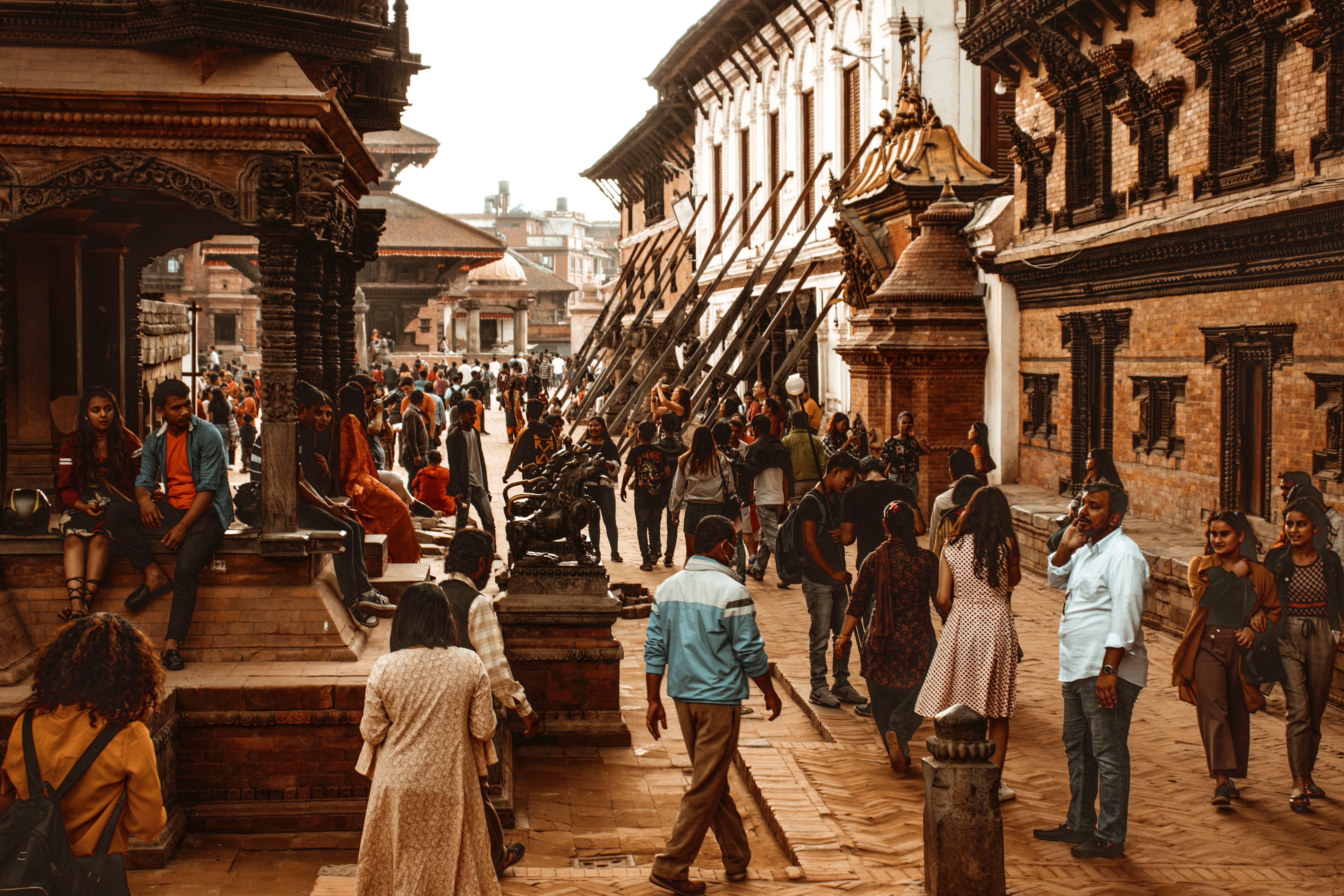
Nepal’s internet penetration rate has risen rapidly over the past decade, reaching more than 40 percent of the population according to data from the Nepal Telecommunications Authority. That growth has changed how young Nepalis consume news, culture, and sport. In a country where terrain makes traditional broadcast infrastructure uneven, digital streaming has become a powerful bridge to the outside world.
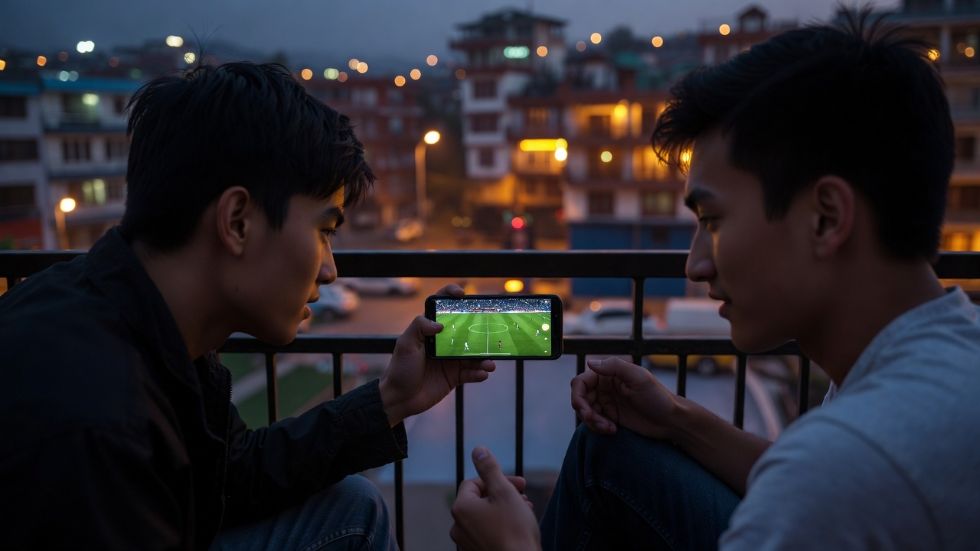
From cafés in Kathmandu to dorm rooms in Pokhara, fans gather around phones and smart TVs to watch European football. Access to global matches through platforms offering Sports Broadcast (스포츠중계) has expanded far beyond satellite dishes and cable packages. For many young viewers, watching the English Premier League or the UEFA Champions League is now part of everyday life. These streams do more than deliver goals and highlights. They connect Nepalis to global conversations about race, labor, migration, and politics that swirl around modern sport.
Football as a Global Classroom
The English Premier League, home to clubs like Manchester United and Liverpool, enjoys a strong following in Nepal. Supporters’ clubs fill social media feeds with debates over transfers, refereeing decisions, and club ownership. When players such as Marcus Rashford speak about child poverty in the United Kingdom, Nepali fans share and discuss those messages online. Global issues enter local timelines within seconds.
Football becomes a classroom without walls. Youths learn about anti-racism campaigns, gender equality in sport, and the economics of billion-dollar leagues. Conversations about sponsorship deals or media rights can lead to deeper discussions about inequality and opportunity in Nepal. Exposure to international sport broadens political imagination. It shows how athletes can influence policy and public opinion.
Digital Infrastructure and Policy Gaps
Yet access is uneven. Rural areas still struggle with stable broadband. Mountain geography raises costs for fiber deployment, and power outages remain common outside major cities. Government policy has focused on expanding connectivity, but regulation of streaming content remains complex. Authorities must balance open access with concerns about piracy, licensing, and revenue loss. At the same time, discussions around broader internet governance, including Nepal’s evolving gaming and digital media laws, highlight how policymakers are trying to shape a legal framework that keeps pace with changes in how people access and interact with online content.
Many viewers rely on unofficial streams when legal subscriptions are too expensive. This reality shapes public discourse in subtle ways. Informal viewing communities emerge on social media platforms. Links are shared in group chats. Debates over blocking sites or tightening internet controls often spark backlash from young users who see sports access as a cultural right. In these moments, football becomes part of a larger conversation about digital freedom and governance.
National Identity in a Global Arena
Nepal has its own proud football culture, led by the All Nepal Football Association and the national team. Still, international leagues often dominate attention. Critics worry that constant exposure to foreign clubs may overshadow local competitions. Others argue that global interest raises standards and inspires young athletes.
The influence works both ways. When Nepali players compete abroad, fans track their progress with the same passion they show for European stars. Global broadcasts help situate Nepal within a wider sporting map. They reinforce a sense of belonging to an interconnected world. Watching the World Cup or a high-profile league match can feel like participating in a shared global ritual.
At the same time, discussions around match-fixing scandals or governance problems in international bodies such as FIFA resonate locally. Nepalis draw parallels with domestic political challenges. Sport becomes a mirror. It reflects concerns about transparency, corruption, and accountability.
Youth Culture and Online Debate
Young people drive much of this energy. University students often discuss tactics and team strategies alongside conversations about elections or economic reforms. Memes and match clips circulate quickly, blending humor with commentary. Access to global sports content feeds digital creativity. It shapes language, fashion, and even business ideas, from sports cafés to online merchandise shops.
The rise of streaming has also created new forms of civic engagement. Online petitions, fundraising drives, and awareness campaigns often gain traction during major tournaments. Shared viewing experiences foster solidarity. They build networks that extend beyond sport.
Still, questions remain about sustainability. Rights holders seek to protect revenue. Policymakers consider stronger enforcement against illegal streams. Any move that limits affordable access may trigger resistance from a generation accustomed to instant connectivity. The debate touches on core issues of fairness, opportunity, and cultural participation.
Beyond the Final Whistle
Sports consumption in Nepal is no longer confined to a television set in a living room. It lives on smartphones, in comment sections, and across community spaces. Access to Sports Broadcast services has helped shape a digitally aware youth population that engages with global narratives while reflecting on local realities.
From Kathmandu’s busy streets to remote hill towns, the simple act of watching a football match can spark conversations about policy, identity, and rights. As Nepal continues to expand its digital infrastructure, debates around content access and regulation will grow more urgent. The passion for global leagues will remain strong. So will the desire for open and affordable ways to watch them.
In that sense, the pitch is larger than ninety minutes of play. It is a stage where culture, technology, and politics meet, and where Sports Broadcast access continues to influence how Nepal talks about itself and the world.