
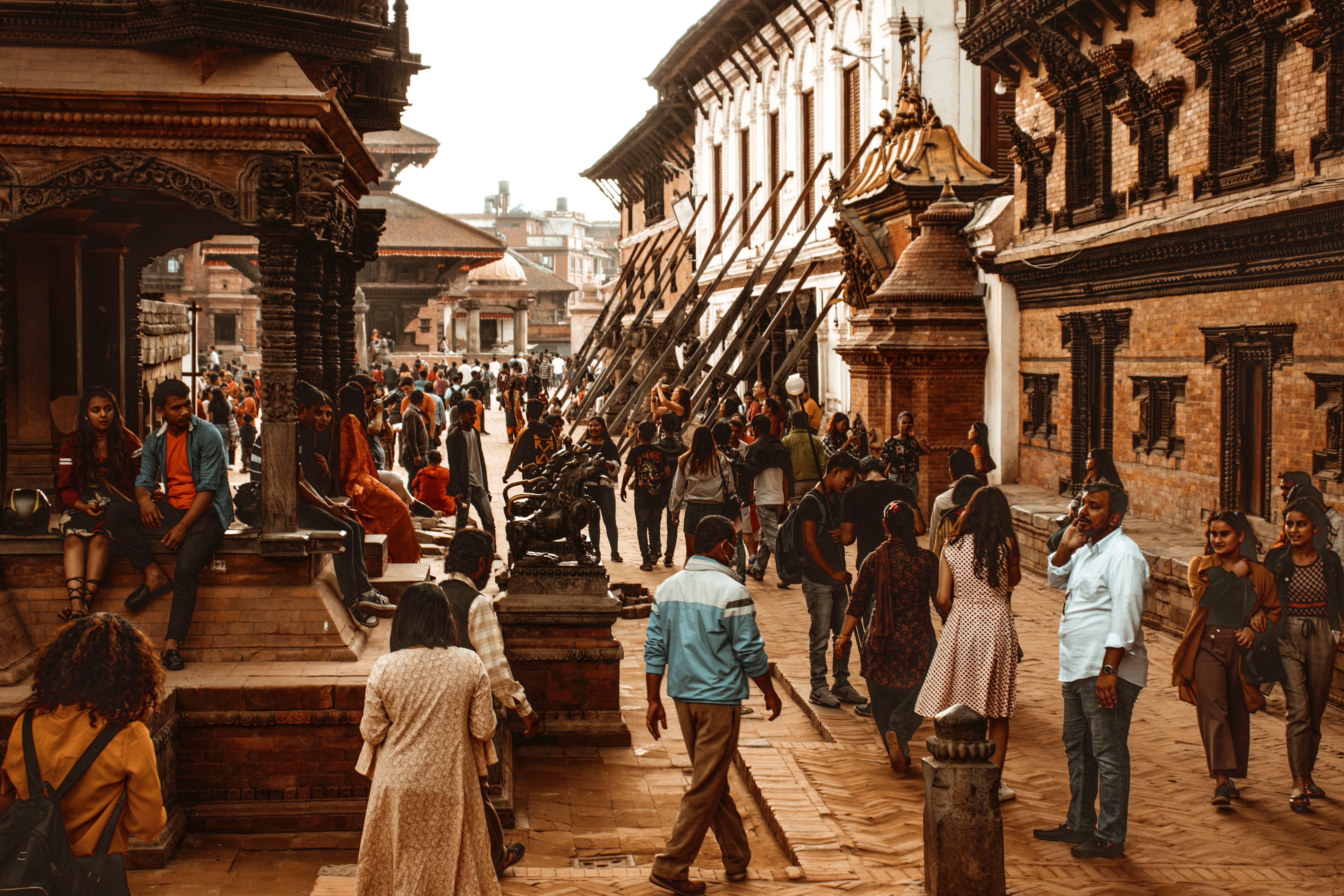

Dirty grout lines can make even the most beautiful tiles look neglected. Over time, dust, mold, and stains build up, dulling the shine of an otherwise strong foundation. Nepal’s political system is no different. Years of corruption, instability, and public mistrust have left cracks in its democratic structure. Just like old grout, the system still holds the pieces together, but it desperately needs cleaning and renewal.
To understand this transformation, one can draw a simple yet powerful comparison with how experts like Brisbane tile cleaners restore dirty grout to its original shine. They don’t just wipe the surface. They dig deep, scrub out embedded dirt, and reseal the grout to prevent future damage. Nepal’s leaders and institutions could apply a similar approach to reform, cleansing deeply and rebuilding from within, instead of focusing on cosmetic fixes that only hide the grime temporarily.
Exposing the Dirt Beneath the Surface
Transparency is the first step toward real change. Just as grout cleaning starts by exposing dirt trapped between tiles, political reform begins with uncovering the truth behind bureaucratic inefficiency and corruption. Nepal has taken significant strides toward democracy, yet political power remains concentrated among a few. The layers of influence and favoritism must be scrubbed away to reveal a cleaner, more transparent system that serves its citizens rather than personal interests.
Citizens are demanding accountability. Public protests and calls for reform are like the scrubbing tools of democracy, tough, persistent, and vital. The more pressure applied from ordinary people, the more likely old habits will break down. However, this process requires honesty from those in power and patience from the public to see the long-term benefits. For a deeper look at these issues, see politics in Nepal: challenges and opportunities, which explores how reform efforts are evolving within the country’s democratic framework.
Deep Cleaning: Reform That Goes Beyond Appearances
Surface-level cleaning won’t work for either grout or governance. Quick fixes might make things look better temporarily, but the dirt returns fast. For Nepal, reforming only a few laws without changing the culture of governance is like mopping a dirty floor without cleaning the grout. Structural changes must address electoral transparency, judicial independence, and the flow of political money.
Real restoration requires effort and consistency. When grout cleaners work, they apply solutions that penetrate deep into the lines. Similarly, Nepal’s anti-corruption measures must go beyond the headlines and reach every level of administration, from the local offices to federal ministries. New laws are useless without strong enforcement and a public that insists on clean governance.
Sealing the Future
After the dirt is gone, grout must be sealed to prevent new stains. In politics, this step translates into maintaining transparency and trust. Systems must be built to resist future corruption, not just react to it. Nepal’s emerging youth leadership and digital platforms for civic participation are good signs. They act like sealants, creating a protective layer that discourages the same old political dirt from returning.
But this protection requires maintenance. Just like tile floors need occasional re-sealing, democracy demands regular evaluation. Laws must evolve, watchdogs must remain active, and citizens must stay informed. If ignored, the old stains of corruption and apathy can return quickly, undoing years of progress.
Lessons from the Cleaning Process
What can Nepal truly learn from grout restoration? The answer lies in the values of patience, attention to detail, and willingness to get one’s hands dirty. Real reform doesn’t happen overnight. It’s a slow, sometimes frustrating process, but the end result is worth the effort, a stronger, cleaner, and more trustworthy system.
- Expose the dirt: Identify what’s wrong in policies and leadership.
- Scrub deeply: Address issues at the root instead of applying quick fixes.
- Seal for the future: Put safeguards in place to prevent recurring corruption.
Even professionals like Brisbane tile cleaners understand that maintenance never ends. The same principle applies to governance. Every reform should be followed by continued vigilance. Public participation, education, and a culture of responsibility are the cleaning tools of a sustainable democracy.
Conclusion: Restoring the Shine
Clean grout makes everything around it look brighter, and so does a clean political system. Nepal’s journey toward reform will take time, courage, and cooperation from all sides. The dirt of corruption can be stubborn, but with a firm national commitment to transparency and justice, renewal is possible. Like tile restoration, once the grime is lifted, the beauty of the original design shines through again. With consistent effort—guided by the same persistence used by Brisbane tile cleaners, Nepal can finally restore its political shine and set an example for others seeking renewal.

 In California, a towing company san jose entrepreneurs operate, face projections of revenue increases because of the state’s progressive
  Nepal has a strong tourism industry that relies on the country’s robust transportation system, including the towing services sector. However, communism if it prevails in politics will not support capitalism and democracy. Instead, its economic ideology advocates instituting a classless system. That denotes private ownership of property is not allowed or strictly curtailed, while means of producing goods are community-owned.
 Germany has one of the world’s most extensive and efficient train systems, with millions of passengers relying on trains for daily transportation. The German train system is known for its punctuality, speed, and safety, thanks in part to the strict regulations and safety standards put in place by the German government.